
Postgraduate programme
A flexible, industry-relevant programme designed for future professionals.




PROGRAMME OVERVIEW
The MBA programme in Global Management at Magna Carta College, in collaboration with UCAM (Catholic University of San Antonio of Murcia), offers a comprehensive educational experience that equips participants with the essential skills and knowledge needed for effective leadership in the global business landscape. This programme focuses on strategic thinking, organisational performance, and leadership development, preparing students to lead in diverse international markets.
Students will explore key topics such as global business strategy, cross-cultural management, international finance, and supply chain management. A significant strength of the programme is its emphasies on evidence-based practices and advanced research, which address the complexities of global business operations. This approach fosters adaptability, inclusivity, and strategic problem-solving in a rapidly changing world.
The curriculum provides a global perspective on business, illustrating how organisations can leverage resources and strategies to gain a competitive advantage in international markets.

WHY THIS COURSE

Flexible distributed learning that allows you to study anytime, anywhere, at your own pace.

Designed for professionals who want to progress academically and professionally without pausing their careers.

WES approved qualification supporting international academic progression and career mobility.
Develop strategic thinking, leadership, and business expertise to accelerate your professional career.
Multiple enrolment opportunities available throughout the academic year.
No written exams with all assessments completed through assignments and a dissertation project.
ENTRY REQUIREMENTS
Academic Requirement
PROGRAMME MODULES
The MBA in Global Management programme is structured to provide students with a comprehensive understanding of international business practices, cross-cultural leadership, and global strategy. The degree is worth a total of 90 ECTS (credit hours). Each module carries specific ECTS and is categorised as either Compulsory (CO) or Optional (OP). Compulsory modules build a strong foundation in essential management and leadership skills, while optional modules allow students to tailor their studies toward specialized areas of interest, preparing them for dynamic careers in a globalized economy.
This module provides an in-depth exploration of financial markets, focusing on essential concepts in global finance. Students will analyze money flow, corporate investments, and tax implications, examining key areas like investment decision-making, risk and return, and the valuation of bonds and equities. Emphasis is placed on finance in international firms, including foreign exchange risk and financial statement analysis. The course also covers asset valuation, including intangibles and financial obligations. By the end, students will gain critical skills in cash flow analysis, equipping them to navigate financial markets effectively.
Objective of this Module:
This module provides an in-depth overview of international marketing, equipping students with core concepts and strategies for global competition. Key areas include the marketing mix, segmentation, targeting, and positioning, with a focus on branding through the Customer-Based Brand Equity (CBBE) model. Emphasis is placed on marketing strategy, adaptability, and innovation. The module also covers advertising, strategic communication within the Integrated Marketing Communications (IMC) framework, and consumer research to analyze behavior and trends. Students will develop skills in creating international brand communication strategies tailored to diverse cultural contexts, with attention to marketing ethics.
Objective of this Module:
This module offers a thorough exploration of strategic management, covering core elements like unique activities, strategic positioning, and sustainable trade-offs. It addresses market positioning, competitive advantage through unique resources, and value chains across industries. The curriculum includes corporate strategy, focusing on resource allocation and control, as well as the international dimension, comparing strategies of multinational and national firms. Topics also include cooperative strategies, organizational learning as a competitive edge, and the influence of culture on strategy. The role of leadership in shaping and implementing strategy is emphasized throughout.
Objective of this Module:
This module explores the impact of structure and HRM on corporate success, emphasizing organizational design and the interconnection between individuals, the organization, and the environment. Key topics include labor market dynamics, recruitment, job design, and selection methods, with a focus on competency frameworks and psychometric testing. Strategic HR development is covered through training, performance management, and succession planning. The module also examines employee participation, relations, and reward systems, highlighting the influence of national cultures on HRM practices and the transfer of HR principles across borders.
Objective of this Module:
This module provides an overview of the research process, starting with formulating research questions and writing effective proposals. Students will conduct a thorough literature review and explore both qualitative and quantitative research methodologies. Key topics include data collection, analysis techniques, and structuring research logically. Content analysis will be introduced as a method for interpreting textual data. Additionally, students will learn the thesis writing process, acquiring the skills necessary to conduct and present high-quality research.
Objective of this Module:
– Assess the significance of economic, political, and legal variables that shape company management and operational dynamics.
– Examine the short- and long-term effects of macroeconomic variables (e.g., inflation, unemployment, GDP growth) on economic stability and business performance.
– Develop a comprehensive understanding of the legal regulations governing business management, including compliance, corporate governance, and ethical practices.
– Utilize advanced analytical techniques to interpret socio-economic and legal data, enabling informed decision-making in complex environments.
– Equip students with the skills to address global socio-economic and legal challenges, fostering resilience and adaptability in diverse business contexts.
– To develop an understanding of the role of cooperative strategy, and its expression through strategic alliances, in the modern business context.
– To introduce perspectives from different disciplines that contribute to an understanding of cooperative strategy and strategic alliances.
– To understand the considerations involved in establishing alliances, selecting partners and choosing an alliance form.
– To understand issues arising in the management of strategic alliances, with special reference to cross-border alliances.
– To provide an insight into factors impacting on the achievement of alliance objectives (including learning) and on how they may evolve over time.
– An understanding of the entrepreneurship process
– Understand corporate innovation
– Be able to carry out an innovation audit
– Innovation through new product development
– An understanding of the key differences between large companies and SMEs
Students will be required to undertake their dissertation on a relevant topic, as agreed by the Programme Director/Dissertation Coordinator and student. It emphasizes the development of research questions, methodology, and critical analysis skills. Students will engage in literature reviews, data collection, and analysis, culminating in the production of a comprehensive dissertation. This module will contribute to enhancing students’ ability to conduct autonomous research and provide novel insights into their area of research.
Objective of this Module:
Graduates may progress into roles such as:
TAKEAWAYS
ALUMNI
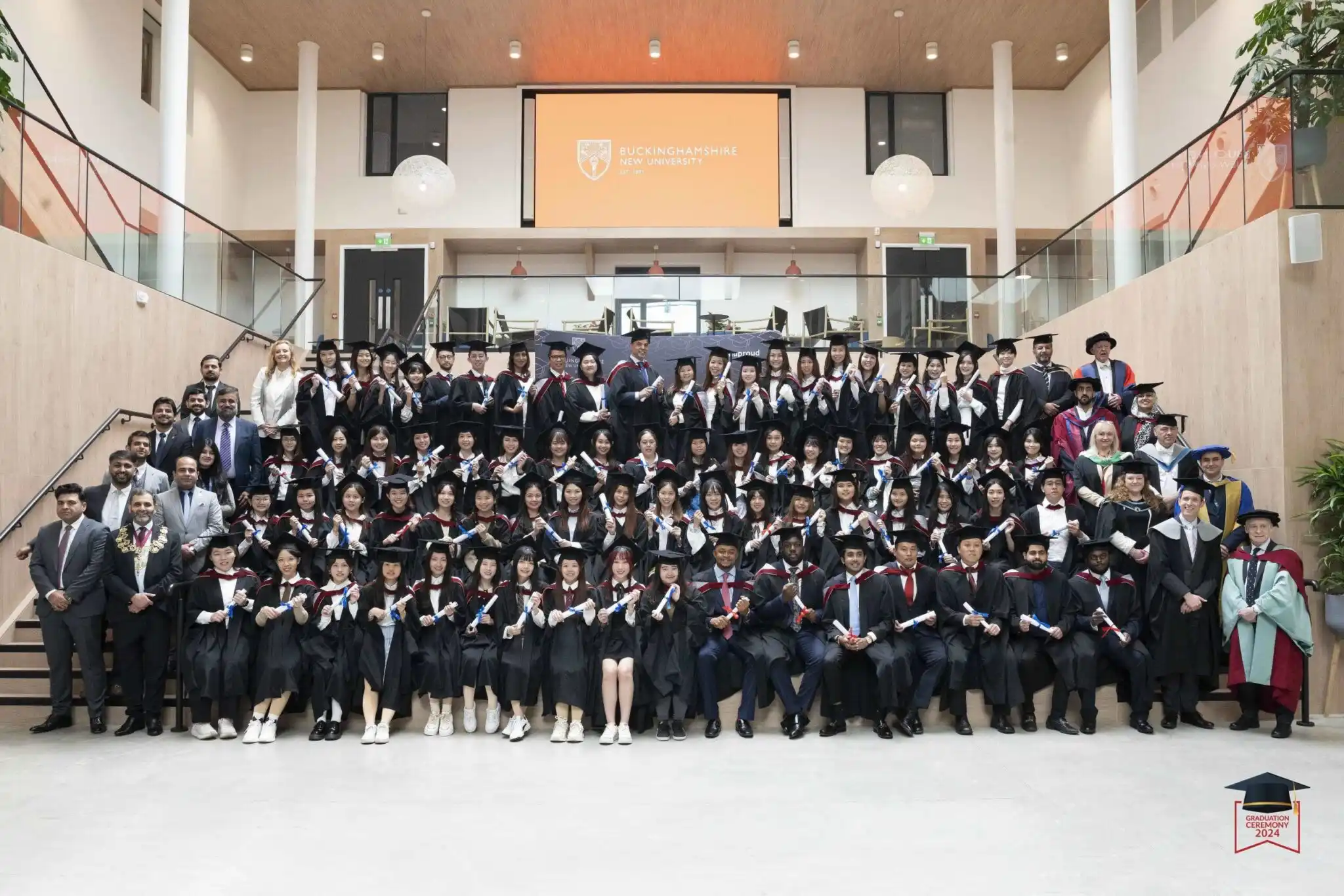
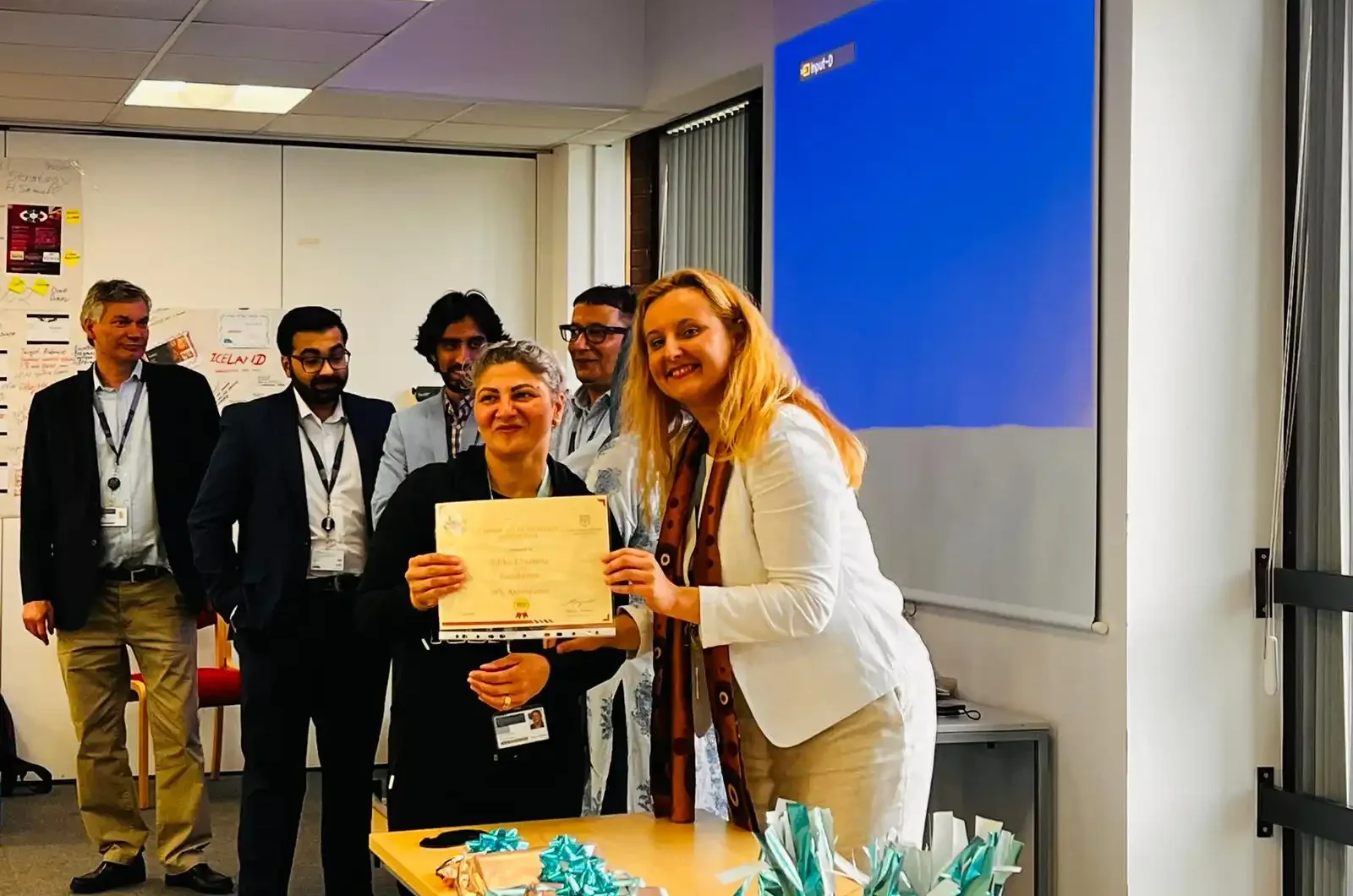
Graduates of MCC are a diverse and accomplished community of professionals who remain connected through shared experiences, achievements, and ongoing engagement.


STUDENT SUPPORT
From academic help and wellbeing services to comprehensive financial support, we’re here to help you succeed before, during, and after graduation.
This course is ideal for aspiring managers, professionals in leadership positions, and individuals seeking to advance their careers in business management.
The course is delivered 100% online, allowing you the flexibility to study at your own pace from anywhere while accessing all materials and support through an interactive virtual learning platform.
This course helps you develop advanced strategic management and leadership skills. You will learn strategic planning, effective decision-making, leadership approaches, organizational change, and performance management. It also builds your financial awareness, risk management, and analytical skills required for senior management and leadership roles.
It usually takes 12 months to complete the course.
Upon successful completion, you will receive an MBA Degree.
APPLY NOW
Have questions or need personalised guidance? Schedule a free consultation today and get all the information you need to take the next step in your career!
WhatsApp us